We collaborate with our Licensing Partners to create exceptional products that reflect the timeless beauty and innovation of Sir John Soane’s collection. In this fourth edition of our blog series spotlighting creative dialogues between the Museum and its partners, we are delighted to feature Hector Finch – a renowned lighting designer whose brand is celebrated for fusing traditional craftsmanship with refined, contemporary aesthetics. Hector’s passion for historical design and artisanal techniques made him a natural collaborator for the Soane Museum, particularly in the creation of the Lincoln Lantern, inspired by the original lantern outside No.  13 Lincoln’s Inn Fields.

In this blog, Flora Spens, Rights & Images Coordinator at Sir John Soane’s Museum, sits down with Hector to explore the creative process behind the design, the challenges of honouring Soane’s Georgian legacy in a modern context, and how travel, architecture, and history continue to shape his work.

My first impressions of your work came during your London Design Week event last Spring, in March 2024. Your discussion of craftsmanship, historical influence and creative storytelling felt instantly aligned with the Soane.

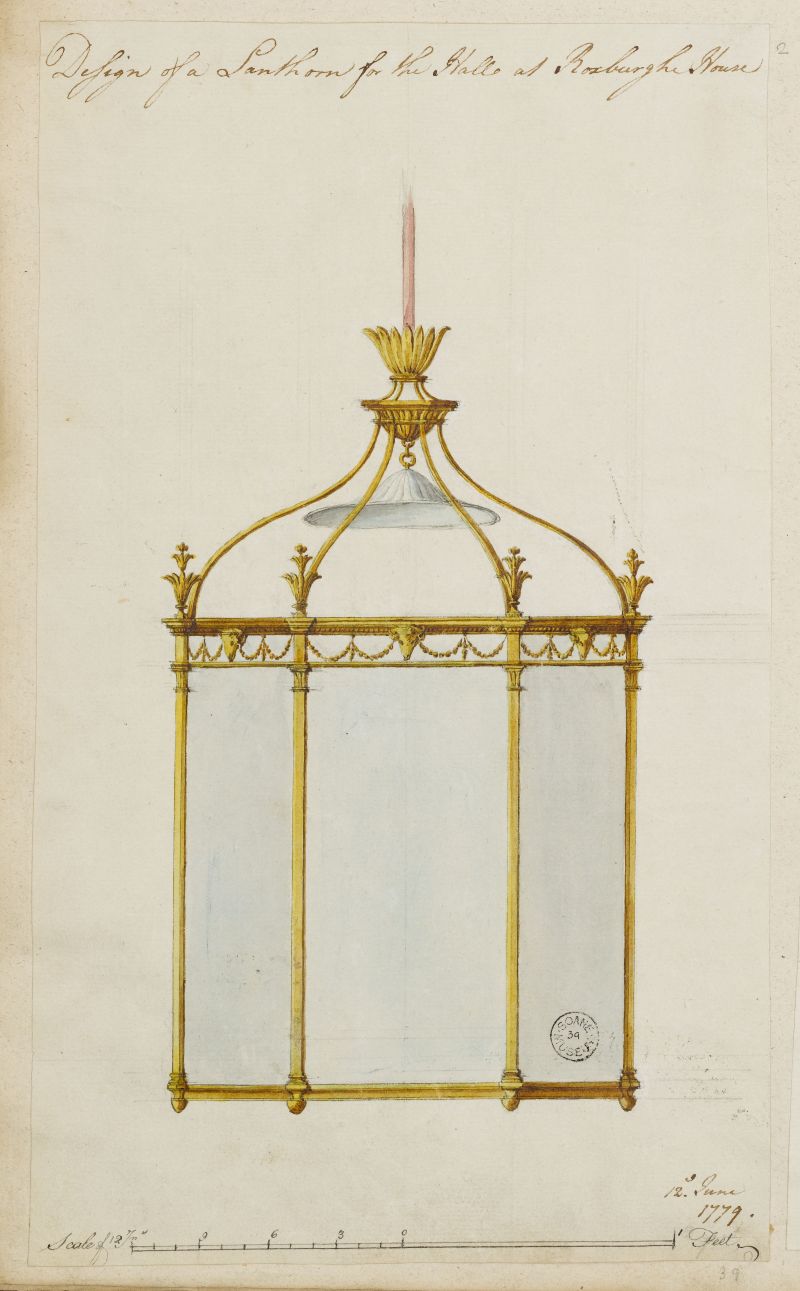
Our follow up meeting in April 2024, with Nina Campbell, OBE and Emma Finch in her studio, brought those ideas into focus as we pored over Georgian lighting examples and the Adam drawings in search of a contemporary interpretation. Those were the foundations from which the Lincoln Lantern eventually emerged. Reflecting on those early stages, where do you usually begin creatively, and how do encounters with archives, architecture or collaborative design talks shape the development of a design?

When we created the Lincoln Lantern the preparation was crucial; it would have originally been made by a local craftsman and so we wanted to be as sympathetic as possible. Travel is an important influence on our work; a product often starts with a visit somewhere, a town, place, building, interior or object and after that it is my own drawings. We often take inspiration from different materials, forms, or simply different manufacturers are making things to introduce a new technique or idea.
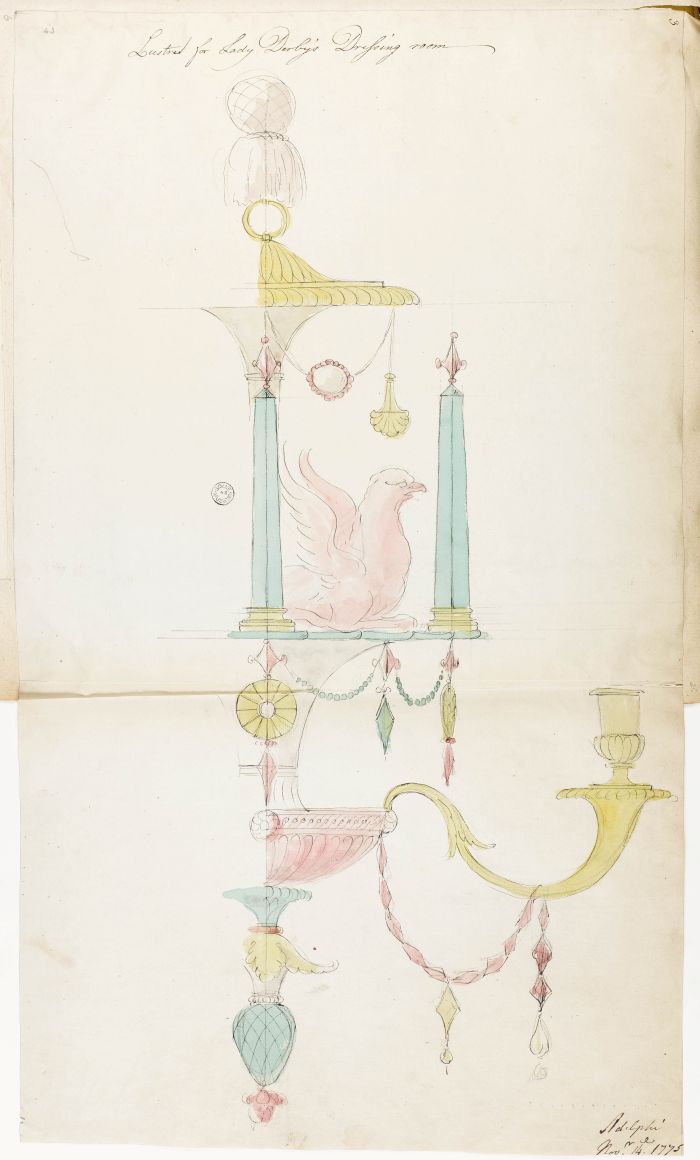
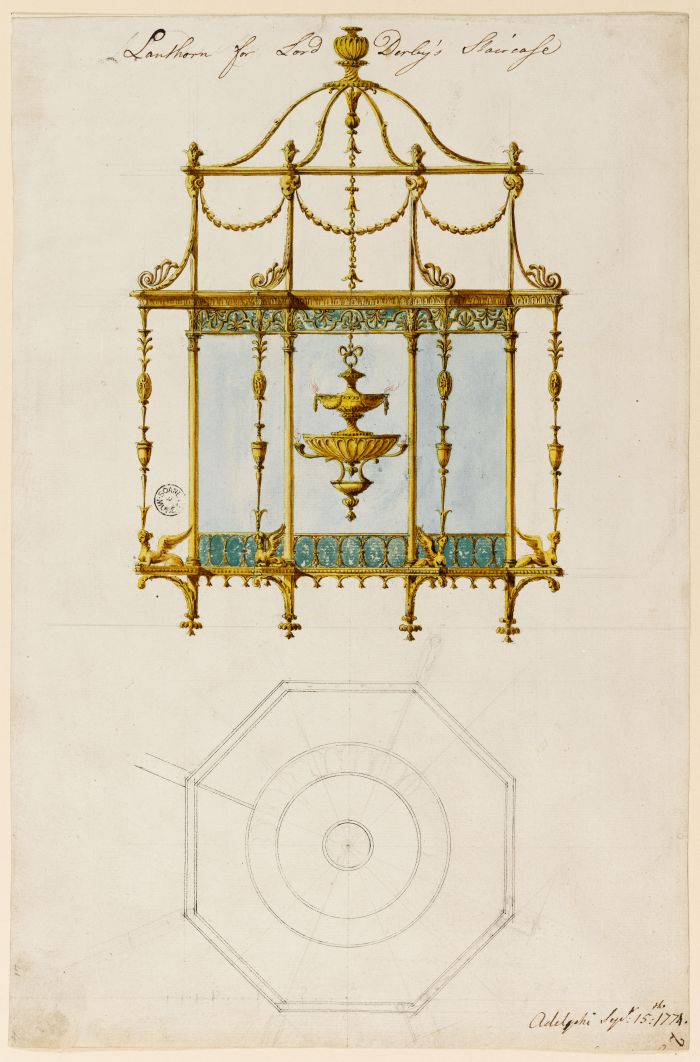
From left to right: Adam office hand, design for a chandelier for the Etruscan dressing room, 23 (later 26) Grosvenor Square, London, 1775, SM Adam volume 25/43| Adam office hand, design for a lantern for the staircase, 23 (later 26) Grosvenor Square, London, 1774, SM Adam volume 25/41 | Adam office hand, design for a lantern for the hall, Roxburghe House, Hanover Square, London, 1779, SM Adam volume 25/39. All photographs: Ardon Bar-Hama © Sir John Soane’s Museum, London

We would love to hear how much travel, new cultures, and historical references – particularly from periods like the Georgian era, influence your creative process. How do they shape your approach?

We live outside Ludlow which, in our opinion, is one of the best Georgian towns in the country. Beautiful windows, doorways and perfect proportions – absorbing what’s around you is always inspiring. If you are curious every day and look at enough of your environment, proportions and design details naturally sink in. We were in Tulum, Mexico recently and being around such vividly different styles and colours made me think in a different way just by seeing how they had a different way of doing things.

We also visited Hindu temples in India, with their rich culture and aesthetic. Seeing the way they approached metalwork influenced our product development for the Simone Wall Light that we were working on at the time (last month it won a Homes & Gardens Award for Best Wall Light 2025).

What first drew you to the lantern in Sir John Soane’s Museum as a source of inspiration?

The Museum is a classic work of Georgian design. Throughout the building you see delicate metalwork and good proportions. Before the Georgian period design was sometimes rudimentary and heavy. This was the first period where things were designed and not solely functional. Georgian design was well proportioned, delicate, considered and refined.

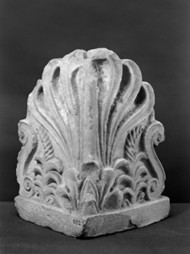
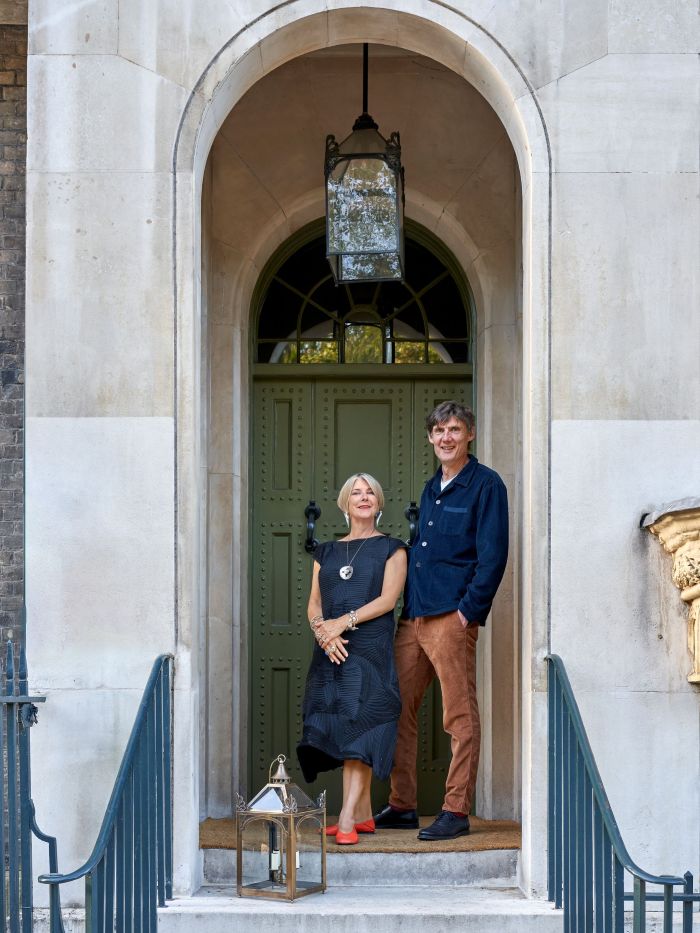
From left to right: Anthemion Scrolls at Sir John Soane’s Museum. Ardon Bar-Hama ©Sir John Soane’s Museum, London | Emma and Hector Finch outside No. 13 Lincoln’s Inn Fields with the Lincoln Lantern © Simon Brown Photography

Can you tell us about the design process?

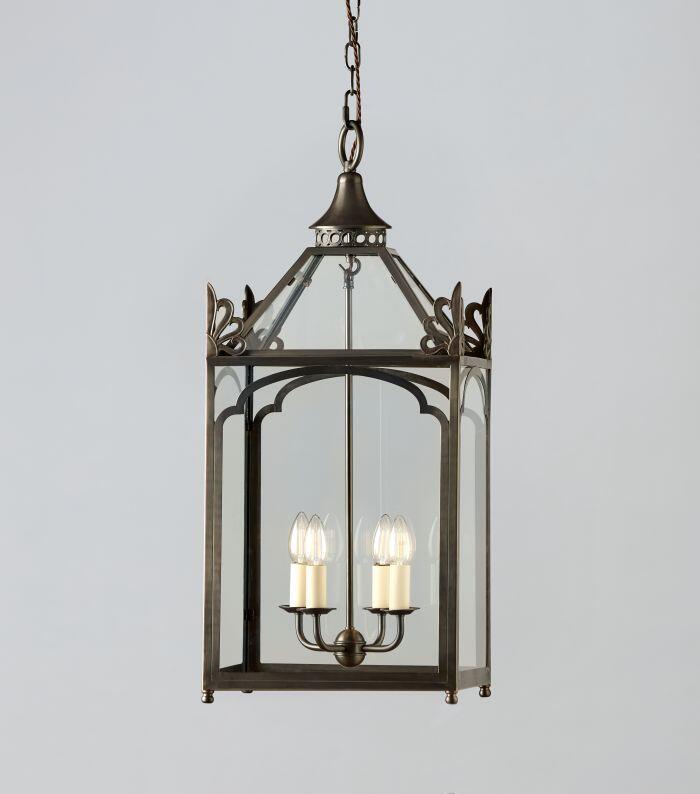
We wanted to make sure the design process was as simple as possible in order to preserve the feel of a classic Georgian design. The original lantern hung in the porch at the entrance to the Museum and was gas powered and made in copper with lead detailing. To modernise this for customers today we electrified the lantern and made it in brass.

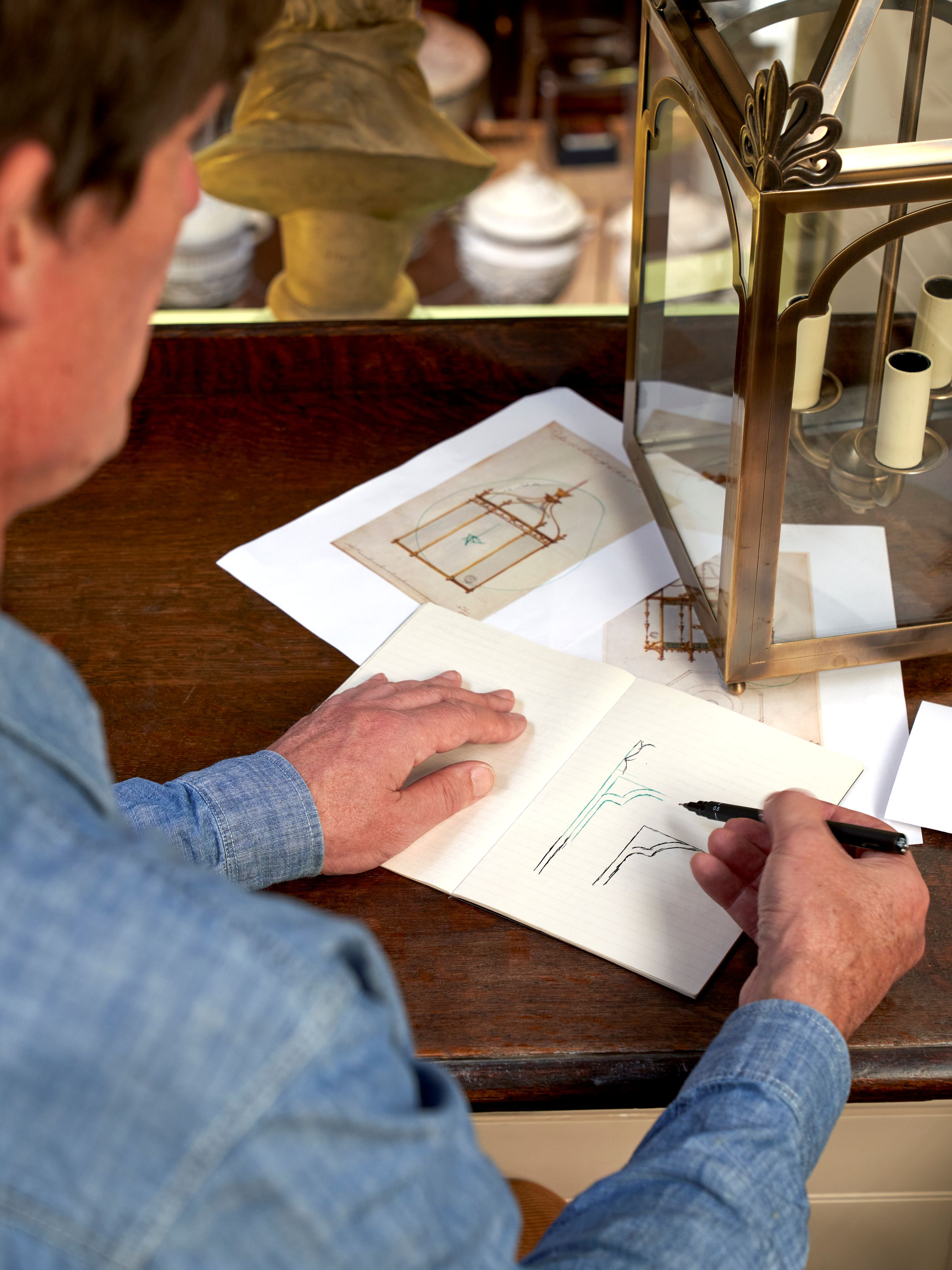
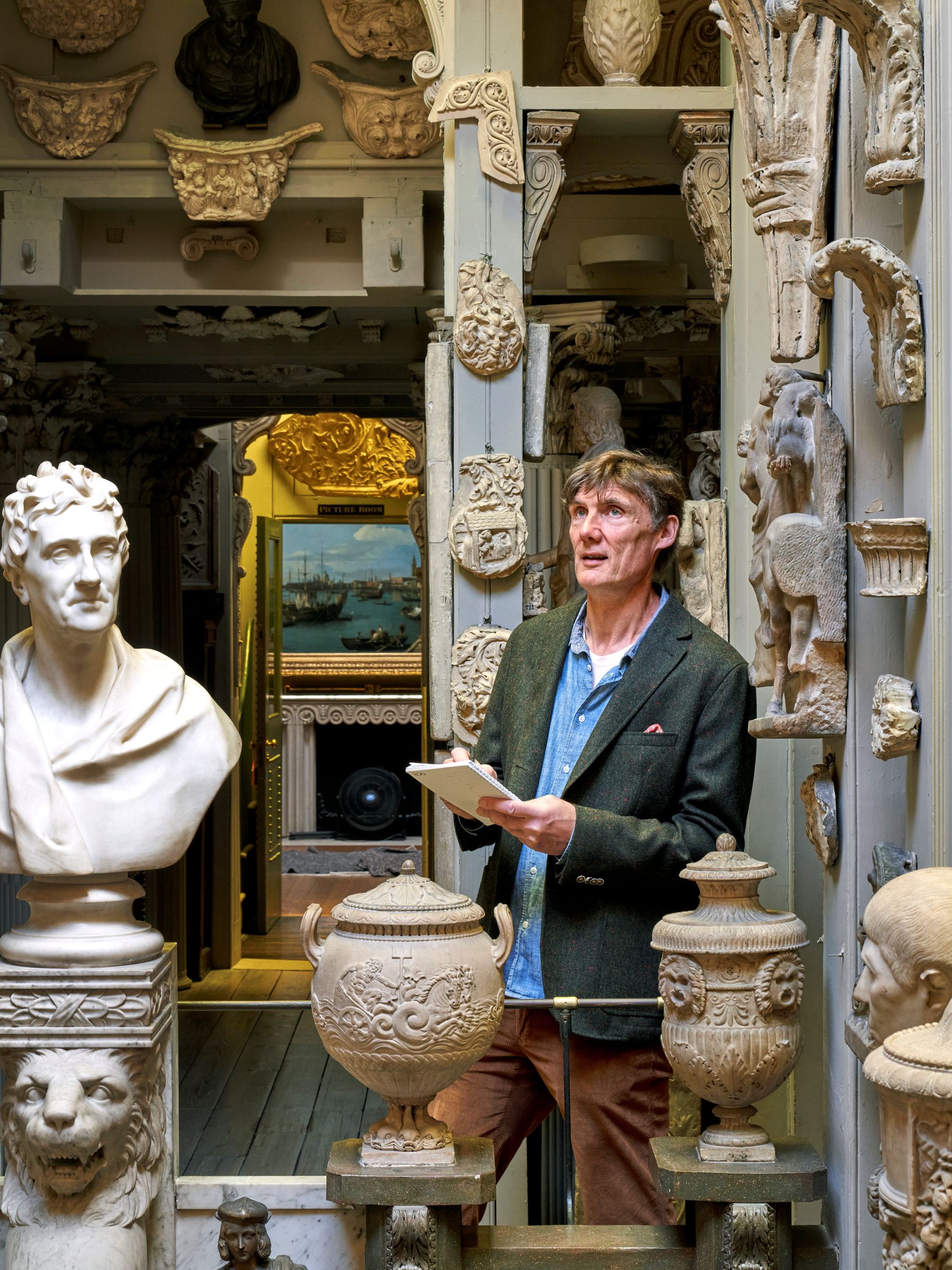
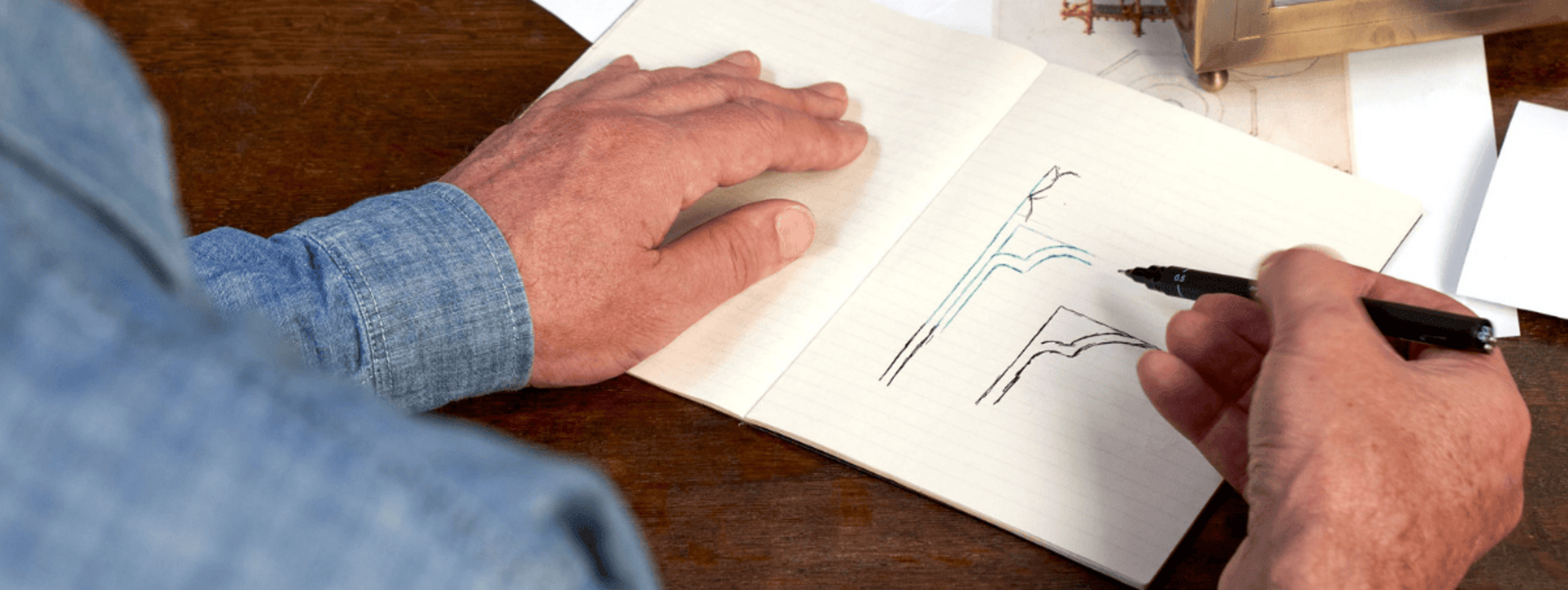
I spent time in Sir John’s Drawing Office, the oldest surviving example of its kind and took time to sketch the Anthemion scrolls in the Museum’s collection. The design alterations were very minimal but of course modernising the original lamp involved redrawing it and digitising details to recreate them in different materials. We are good at making one object into a whole range and pushed this design further to include both the large and small hanging version as well as a wall lantern. We kept the striking Anthemion scrolls which are a classic ancient Greek and Roman motif as well as the circular decorations on the top of the lamp. The basic design still remains true to the original lantern.

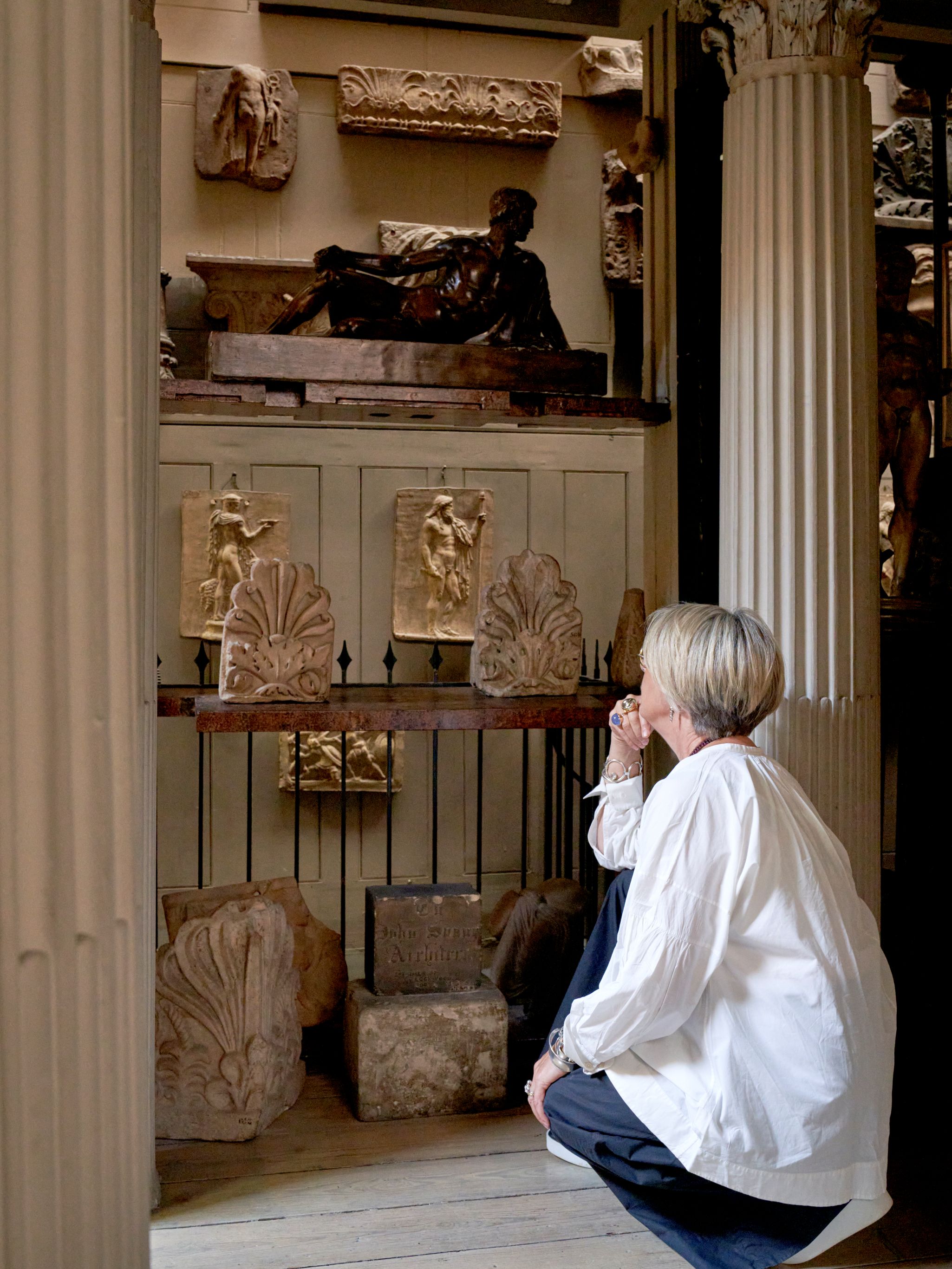
From left to right: Hector Finch in the Drawing Office at Sir John Soane’s Museum | Hector Finch in the Dome sketching at Sir John Soane’s Museum | Emma Finch in the Colonnade at Sir John Soane’s Museum. All images ©Simon Brown Photography

Your brand is known for exquisite craftsmanship. What techniques or materials were involved to bring the Lincoln Lantern to life?

Brass and bronze using traditional sheet metalwork. This technique is like working in fabric in that a pattern is cut and soldered together. This was a common manufacturing technique in the UK in the past, but its use has declined over time. We work with a wonderful partner in Portugal who soft-solders using a low-temperature alloy that melts to bond surfaces without melting the base metals. Originally, when we started making the first Sir John Soane Lantern they cut all the parts using traditional tin snips and guillotines. As a result of the larger quantities we now sell, today it is laser cut – we try to introduce some modern technology when appropriate! However, the bulk of work is done as it always was done, by hand.

Large bronze hanging lantern with a rectangular glass frame and decorative scroll details at the top corners. Inside, four candle-style light bulbs are mounted on a central stem. The lantern is suspended by a chain against a plain light gray background.

Image above: The Lincoln Lantern. Photo courtesy of Hector Finch Lighting

What did the collaboration with Sir John Soane’s Museum mean to you and your team?

It was the first time we’d had a working relationship with a world-renowned cultural institution. It is so exciting to collaborate and flattering that the Museum acknowledges the high standard of our work and wants to work with us. We have the same values so we suit the Soane quite well.

What’s next for Hector Finch in terms of design?

We’re working on a new product launch and looking at ways of making even more in the UK. We already have a group of engineers, craftspeople and skilled metalworkers in the UK and we want to make sure as much as possible is made here.

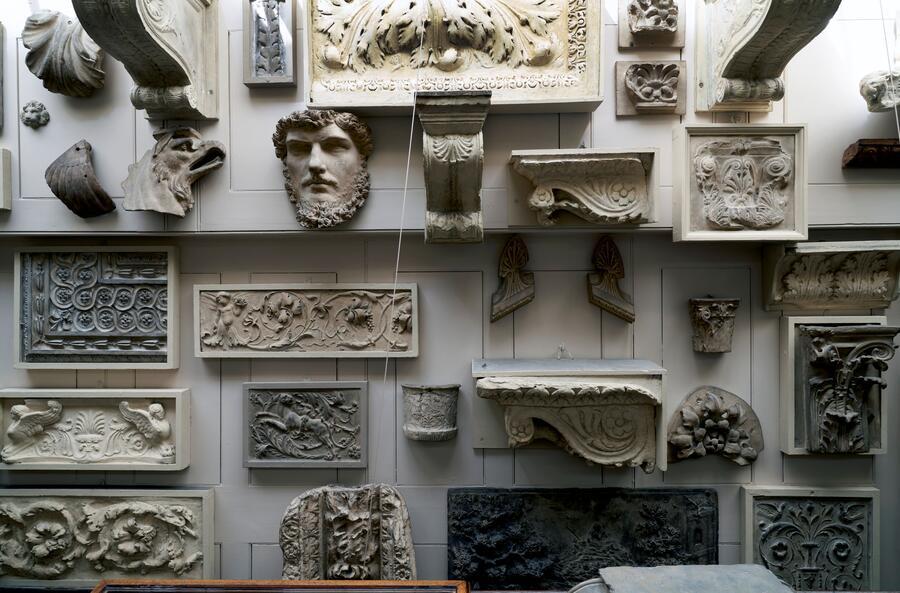
The Drawing Office at Sir John Soane's Museum.

Image above: Sir John Soane's Drawing Office © Simon Brown Photography

Any advice for other designers who want to work with heritage institutions?

  • Leave your agenda at the door
  • Set goals really clearly that both sides understand
  • Keep communication open
  • Keep it simple and don’t mess with good design 
  • All businesses think differently; we are commercially led whereas museums are protecting items with heritage importance
  • Be respectful


At the Museum, we take great pride in working with licensing partners that share our respect for craft, heritage and thoughtful design. Collaborations like this one with Hector Finch illuminate the ongoing relevance of Sir John Soane’s legacy and allow us to translate it into beautifully made objects for audiences today. Working with Hector Finch on the Lincoln Lantern has highlighted how dialogues between past and present can result in objects of real integrity and beauty. We look forward to future projects together, and you can learn more about the Lincoln Lantern here.

Banner image: Hector Finch in the Drawing Office at Sir John Soane’s Museum ©Simon Brown Photography